
EPA OOOOc and the Rise of OGI Systems in Methane Emission Control
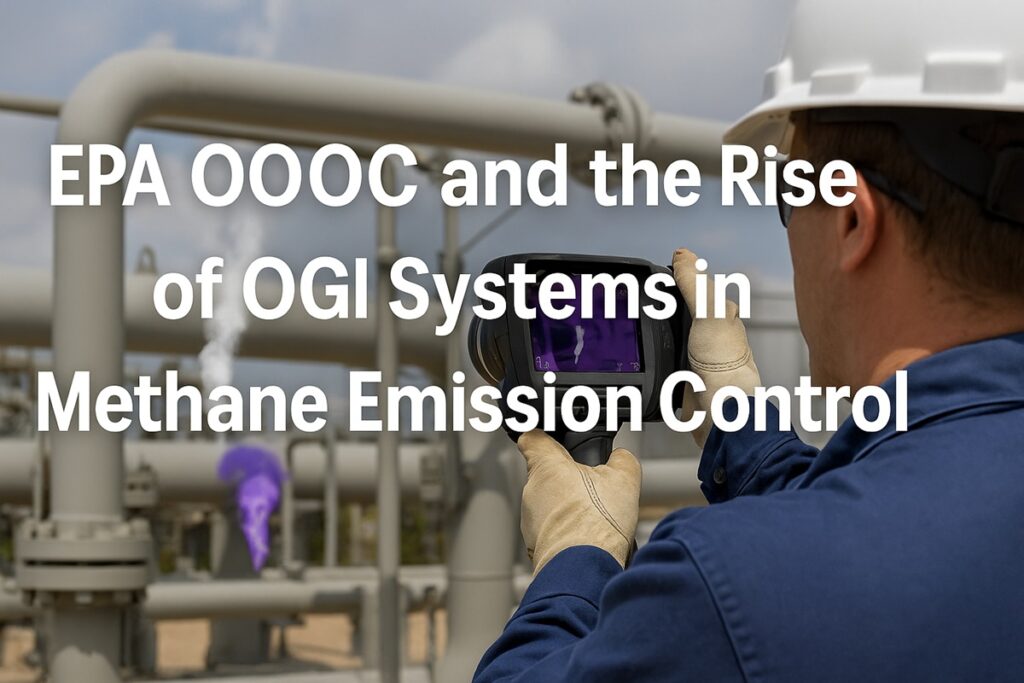
Introduction: OOOOc — The Next Step in Methane Regulation As global attention on methane intensifies, the U.S. Environmental Protection Agency (EPA) continues to roll out new standards aimed at reducing emissions from the oil and gas sector. Following the introduction of OOOOb, the agency is now advancing OOOOc, a complementary rule targeting existing oil and […]
Subpart W Proposed Rule: What It Means for Methane Reporting and Compliance
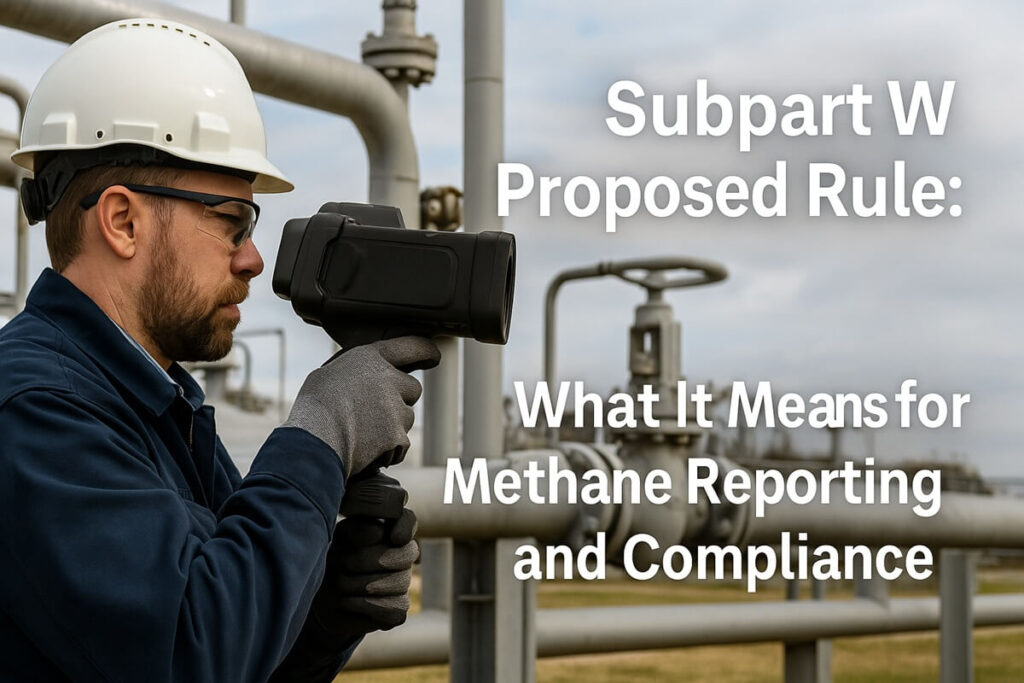
Introduction: The Evolving Landscape of Methane Regulation Methane has long been a focal point in global climate policy — and in 2025, the U.S. Environmental Protection Agency (EPA) continues to sharpen its focus through updates to its Greenhouse Gas Reporting Program (GHGRP). One of the most significant developments is the Subpart W Proposed Rule, which […]
Methane Detection Cameras in the Energy Transition: From CH4 Connections to ESG
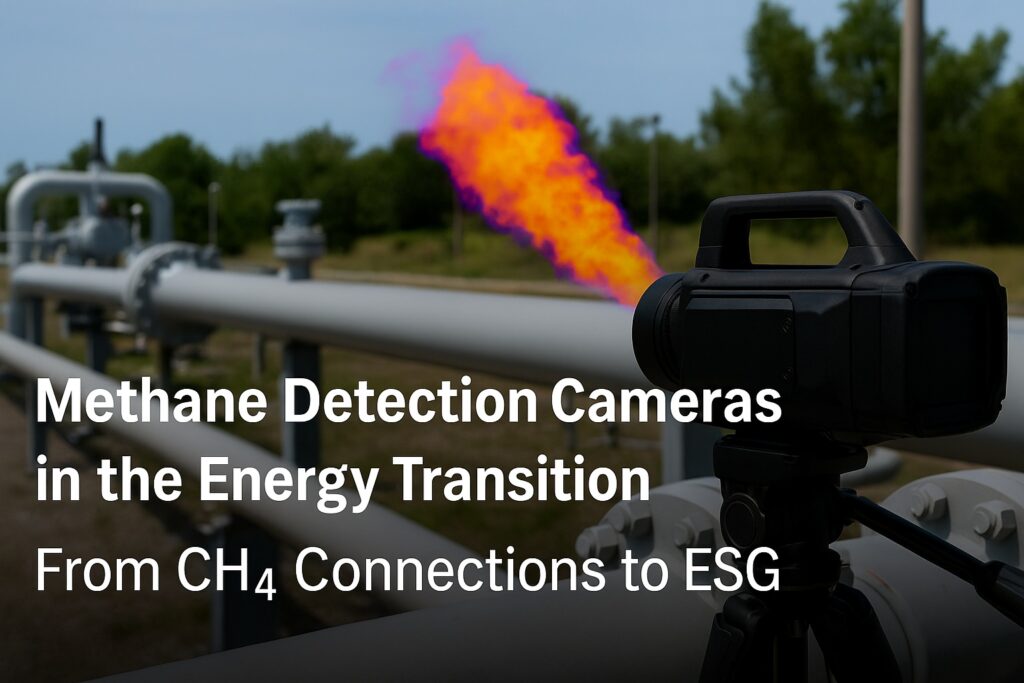
Introduction: Why Methane Detection Matters in Energy Transition As industries around the world navigate the shift from fossil fuels to renewable energy, methane remains at the center of climate discussions. Methane is a powerful greenhouse gas, with a global warming potential over 80 times that of carbon dioxide in the first 20 years after release. […]
Camera Leak Detection: From Rental Options to Advanced OGI Systems
Introduction: Why Camera Leak Detection Matters Gas leaks pose significant safety, environmental, and financial risks. Methane and other volatile compounds are invisible to the naked eye, but even small leaks can lead to catastrophic accidents, regulatory fines, and lost revenue. For decades, industries relied on handheld sensors that could only measure one point at a […]
OGI Cameras Explained: Technology, Certification, Price & Applications
Introduction: What Is an OGI Camera? Optical Gas Imaging (OGI) has transformed how industries detect and manage gas leaks. A camera OGI makes the invisible visible by capturing emissions such as methane, VOCs, and refrigerants that cannot be detected by the naked eye. These leaks pose serious risks: worker safety, environmental damage, regulatory penalties, and […]
EPA Regulations and AI: From Appendix CAM to Subpart W and OOOOb
Introduction: Why Methane Regulations Are Evolving Methane emissions have become one of the most pressing challenges in environmental regulation. Although methane accounts for a smaller percentage of greenhouse gases compared to carbon dioxide, its warming potential is over 80 times greater in the short term. This makes methane a critical target for climate action, particularly […]
Choosing the Right Gas Imaging Solution: Handheld, Fixed, or Drone-Mounted
Introduction: The Growing Need for Gas Imaging Leaks of methane, VOCs, and other hazardous gases are one of the biggest challenges for industries such as oil & gas, chemical processing, and power generation. Detecting these emissions early prevents costly downtime, protects workers, and ensures compliance with strict environmental regulations. In recent years, gas imaging has […]
Thermal Imaging Leak Detection: How Cameras Find Hidden Gas & Fluid Leaks
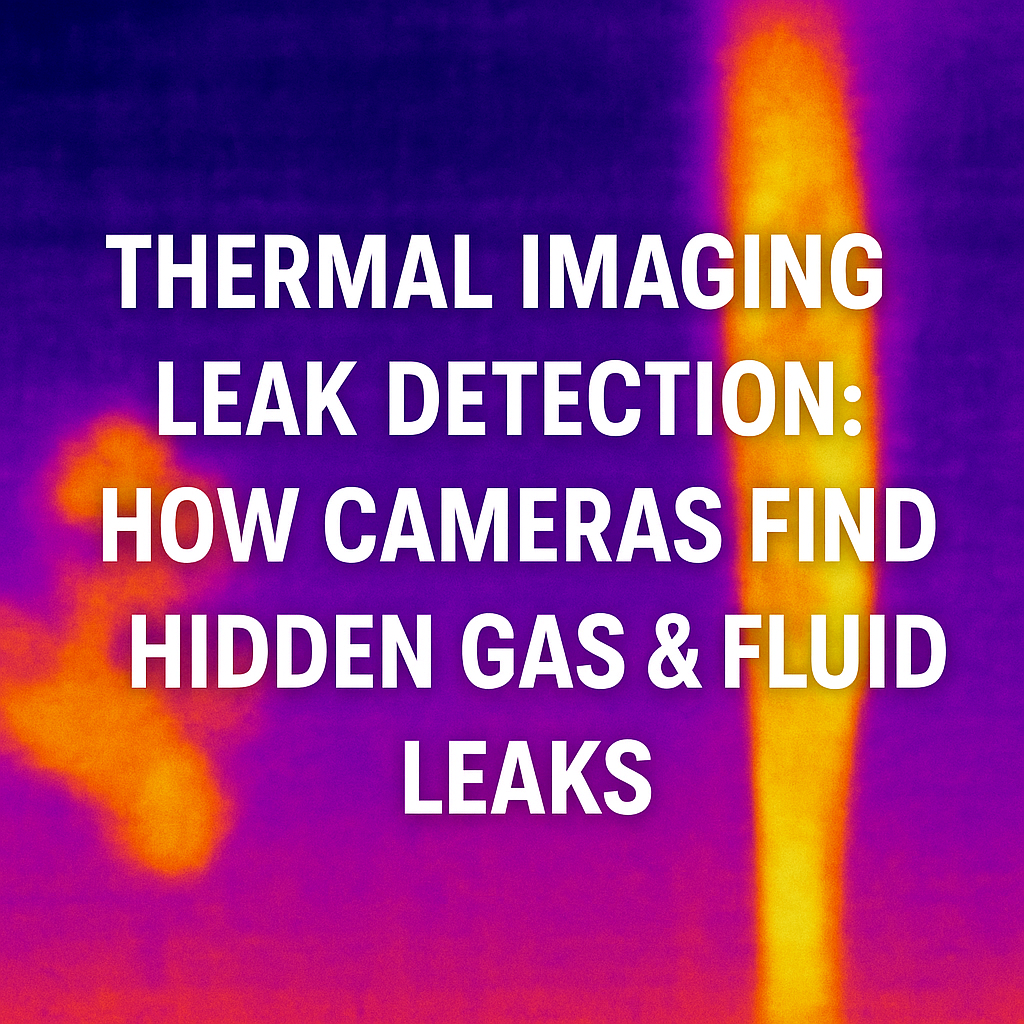
Introduction: Why Leaks Are a Hidden Threat Leaks, whether from gas pipelines, industrial equipment, or fluid systems, represent a significant risk for businesses worldwide. They can threaten worker safety, damage equipment, harm the environment, and cause millions of dollars in financial losses. The challenge is that most leaks are invisible to the naked eye and […]
EPA Regulations and the Future of AI in Methane Detection: What It Means for Opgal
Introduction: Regulations Driving Innovation Methane (CH4) is a greenhouse gas with a global warming potential over 80 times stronger than CO₂ over a 20-year horizon. For oil and gas operators, controlling fugitive methane emissions is no longer optional – it is a regulatory and reputational necessity. The U.S. Environmental Protection Agency (EPA) is tightening its […]
CH4 Connections: Linking Methane Detection to Safer and Cleaner Operations
Introduction: Why CH4 Connections Matter Methane, or CH4, is one of the most potent greenhouse gases known today. While its atmospheric lifetime is shorter than CO₂, its warming potential is over 80 times higher over a 20-year horizon. This makes methane emissions a top priority for both regulators and industry leaders. When we speak of […]